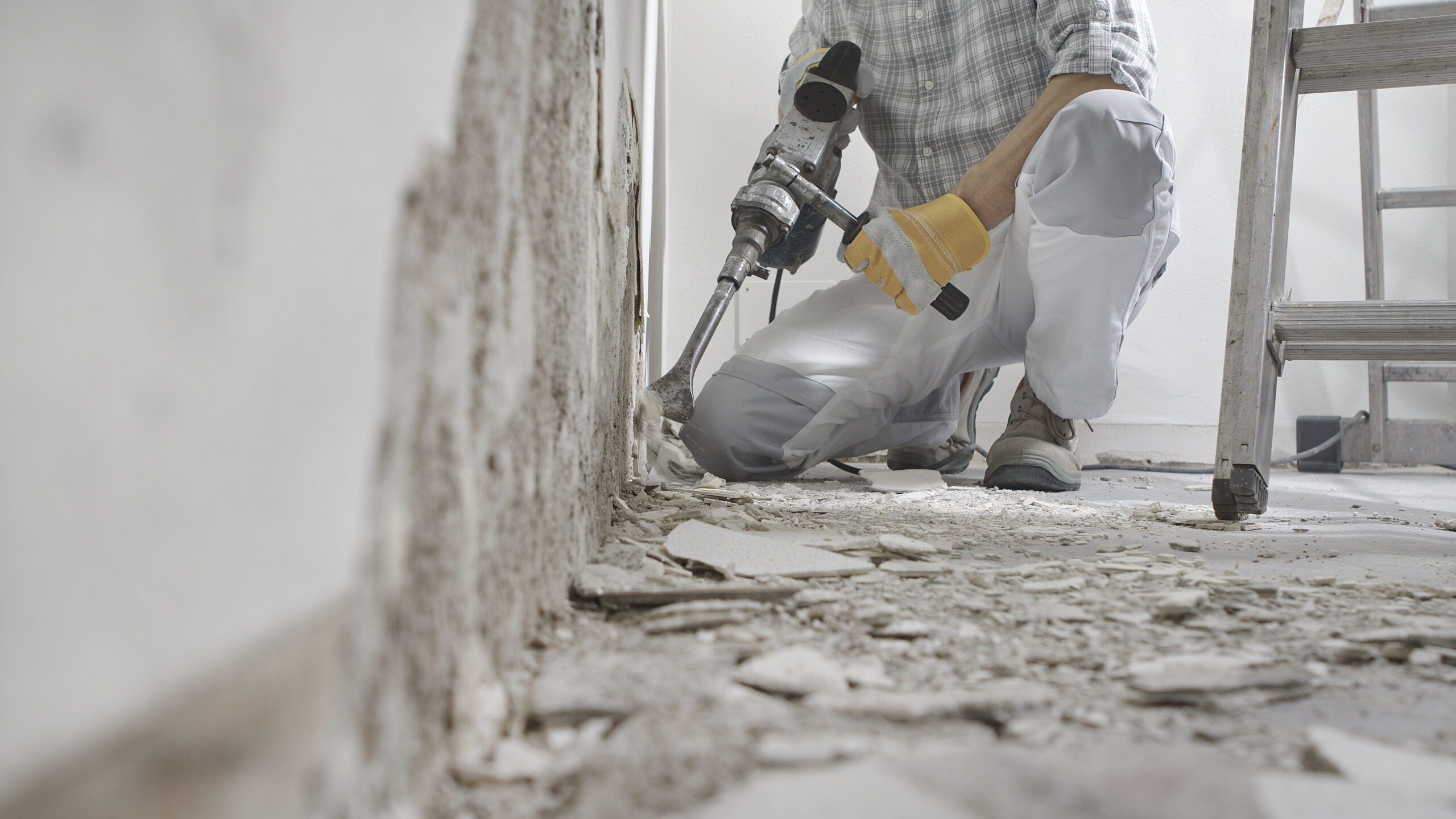
When people see photos of our finished renovation projects, they often comment on how beautiful everything looks, the polished floors, the new kitchen, the fresh paint. What most people don’t see is the “before.” The cracked walls, the sagging roofs, the cluttered rooms that seem beyond saving. For me, the “before” is where the real story begins. It’s where patience, faith, and a bit of imagination come together.
Over the years, through my work with MarDav Enterprises, I’ve come to see how restoration is more than just fixing houses. It’s a lesson in life. The process of turning something broken into something whole again mirrors the work we all do in our own hearts and lives.
Seeing Potential in the Imperfect
When I walk into a neglected house for the first time, I always take a deep breath. Sometimes it smells like dust and age. Sometimes it’s full of things left behind. There are moments when it’s hard to imagine how the place will ever feel like home again. But underneath the mess, there’s always potential. You just have to be willing to see it.
That’s the first lesson restoration has taught me, look past the surface. Whether it’s an old home or a difficult season in life, beauty doesn’t always show up right away. It hides under layers of wear and time, waiting for someone to believe in it again.
Seeing potential in the imperfect isn’t just a business skill. It’s a way of seeing people and moments, too. We all have cracks and rough edges. Sometimes we need someone to look past them and see what’s possible.
The Gift of Patience
Restoration takes time. There are no shortcuts if you want to do it right. You plan, you measure, you wait for permits, and sometimes you start over when something doesn’t go as planned. There are days when it feels like you’re standing still, even though you’ve been working nonstop.
Patience is not always easy for me. I like progress and visible results. But the process has taught me to slow down and trust that things unfold when they’re ready. When you rush, mistakes happen. When you wait and pay attention, you create something that lasts.
The same is true in life. Growth takes time. Healing takes time. Relationships take time. Sometimes we want everything to be fixed right away, but the waiting shapes us in ways we don’t always see at first.
Learning Gratitude Through the Process
When you spend your days transforming broken spaces, gratitude becomes second nature. Every time a project comes together, I feel thankful for the people who helped make it happen—the contractors, the clients, the neighbors who cheered us on. But I also feel grateful for the process itself.
There’s something humbling about taking a structure that has been forgotten and giving it life again. It reminds me that nothing is ever truly too far gone. With care and commitment, almost anything can be renewed.
In my own life, I’ve learned to be grateful for the “before” moments, even when they’re hard. The times when things feel messy or uncertain often lead to the most meaningful changes. Just like an old house, we sometimes have to strip away what’s no longer working before we can rebuild stronger.
Finding Purpose in the Work
People sometimes ask me why I love restoration so much. For me, it’s about purpose. Every home we work on tells a story. Some have seen generations of families, while others have stood empty for years. Bringing them back to life feels like honoring that history and giving it a new chapter.
The process also keeps me grounded. It reminds me that hard work and patience can create something lasting. When we finish a project and see a family move in, it’s not just another business milestone. It’s a moment of connection, a reminder that our work has real impact.
Restoration, in many ways, reflects the work of faith. It’s about renewal, about believing that even what’s been neglected can be made whole again. Every project is a small act of hope.
Lessons from the Job Site
On the job site, you learn quickly that perfection isn’t the goal, progress is. There will always be surprises behind walls or floors that don’t line up exactly how you expected. You learn to adapt, to problem-solve, and to stay calm when plans change.
Those lessons apply to life, too. When challenges come up, you can panic or you can pivot. Most of the time, patience and teamwork get you through. I’ve seen how small steps forward, taken consistently, lead to big transformations over time.
And just like a house, people need care and attention. We all benefit from a little restoration now and then—whether it’s through forgiveness, kindness, or simply taking time to rest and reflect.
The Beauty of the “Before”
The “before” part of any renovation tells the truth. It shows the wear, the mistakes, and the passage of time. It’s honest. That honesty is what makes the transformation meaningful.
I’ve learned to appreciate that part of the journey. The “before” reminds me that brokenness isn’t failure, it’s the starting point for something better. When I see the “after,” I don’t just see the fresh paint or the new floors. I see the effort, the setbacks, the patience, and the heart that went into making it happen.
The same is true in life. Our “before” moments, the struggles, the uncertainty, the things we wish had gone differently, often become the foundation for our greatest growth.
Outlook Is Everything
Restoration work has changed the way I look at everything. It’s taught me to see beauty where others see damage and to find gratitude in the slow process of rebuilding. It’s shown me that with patience and care, even the most broken things can be made beautiful again.
Whether it’s a home, a relationship, or a season of life, the same truth applies. The “before” has value. It teaches us resilience. It gives us perspective. It reminds us how far we’ve come.
At MarDav Enterprises, we restore homes—but in doing so, I think we restore hope, too. Every finished project is proof that renewal is possible, and every “before” is the beginning of something beautiful.